

Introduction: Why Virtual Power Plants Matter in India
India’s electricity system is undergoing a quiet revolution. With the economy growing and urbanization accelerating, electricity demand is rising steadily. Rooftop solar installations, wind farms, and electric vehicle adoption are increasing rapidly, creating an electricity ecosystem that is simultaneously distributed, renewable-heavy, and dynamic.
The challenge today is no longer generating more power - it’s managing the fluctuating supply and demand from thousands of small, decentralized energy sources. Virtual Power Plants (VPPs) have emerged as a timely solution. By connecting rooftop solar panels, home batteries, EV chargers, and smart appliances into a single controllable network, VPPs allow utilities and grid operators to balance supply and demand in real-time, stabilizing the grid while maximizing renewable energy utilization.
Indian electricity sector is evolving so fast, As the Indian economy is growing and percentage of urbanization is getting accelerated, resulting a continuous rise in electricity demand. Penetration of installations of rooftop solar ,wind mills, adoption of 2W,3W,4W electric vehicles are increasing rapidly by virtue of which developing an electricity ecosystem.
Now a days the challenge of power sector is not to generate more power but to maintain a flat curve by managing fluctuating supply and demand of many decentralize small sources .In recent years Virtual Power Plants(VPPs) are emerging as a good and timely solution. VPP is a network of distributed energy like rooftop solar panels ,batteries, smart appliances ,EV chargers that are connected and controlled by a single central platform. VPP acts as a single, large power plant by sharing stored or controllable energy from many individual homes with the electricity grid during periods of high demand in real time and contributes in maximising the utilization of renewable energy.

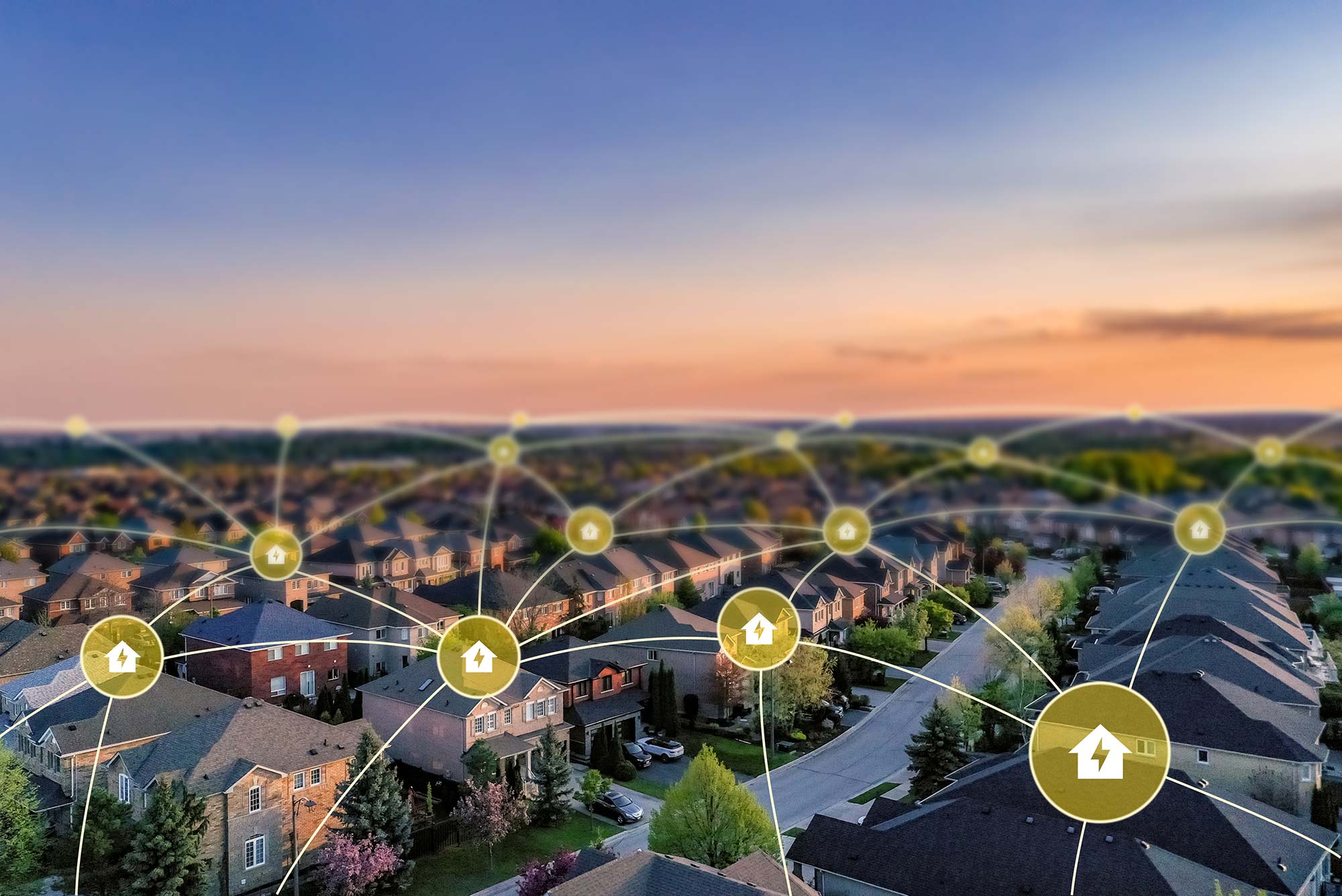
India’s energy landscape is becoming increasingly decentralized, creating opportunities for Virtual Power Plants
The Indian Energy Context
India’s renewable energy growth over the past decade has been remarkable, marking one of the fastest transitions in the global power sector By mid-2025:
- Total installed capacity: 476 GW
- Non-fossil fuel share: ~50%
- Renewable: 226.9 GW
- Nuclear: 8.8 GW
- Solar capacity: 110.9 GW (39× growth since 2014)
- Wind capacity: 51.3 GW (more than doubled since 2014)
- Solar capacity: 2.821GW
- Wind capacity: 21.043 GW
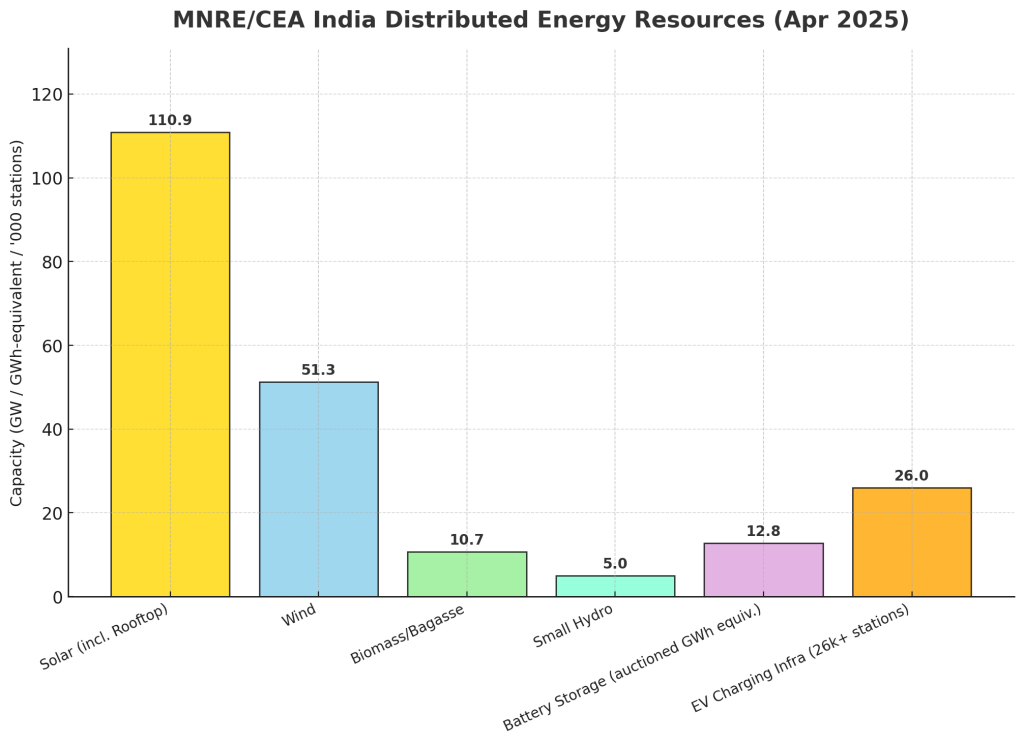
Abundance of renewable energy causes many challenges to the system. Renewable energy is not consistent throughout its generation cycle of a day/month/year but it is intermittent in nature. Generation of solar energy becomes maximum in noon ,while wind energy is unpredictable and it varies .Due to the generating behaviour of these two ,without proper and a robust management it can create the issues of excess supply, over & under voltage and can make the grid unstable. Virtual Power Plant is a solution of all these issues. By aggregating Distributed Energy Resources(DERs) into a single controllable unit ,VPP manages these challenges precisely.
Yet, this abundance comes with challenges. Renewable energy is intermittent - solar produces excess energy at noon, while wind output varies unpredictably. Without proper management, this can cause oversupply, overvoltage, or undervoltage issues, threatening grid stability. VPPs address this challenge by aggregating DERs into a single controllable unit, allowing precise control over distributed assets.
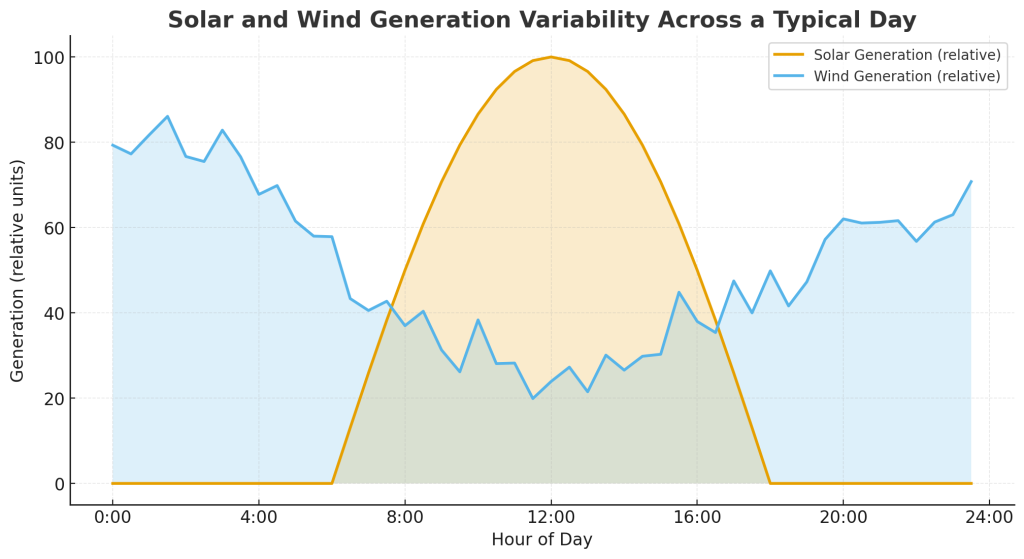
Renewable energy output fluctuates throughout the day, creating challenges for traditional grids
Solar: Strong midday peak (around 12–14 hrs), near zero at night.
Wind: More variable and less predictable, with fluctuations across the day.
Current Challenges: Technical and Regulatory Hurdles
While VPPs offer a solution, implementing them in India involves overcoming both technical and regulatory obstacles.
Technical Challenges
- Interoperability: DERs come from multiple manufacturers with different communication protocols. Standardization is crucial for seamless control.
- Visibility: Utilities often cannot see behind-the-meter DER activity, making real-time forecasting difficult.
- Cybersecurity: Increased connectivity increases potential cyber risks. VPPs require robust security to prevent grid instability.
- Data Management: Collecting, storing, and analyzing data from millions of devices is a massive challenge, necessitating cloud-based AI platforms and real-time analytics.
Regulatory Challenges
The Central Electricity Regulatory Commission (CERC) released draft guidelines for Virtual Power Purchase Agreements (VPPAs) in May 2025. While these steps provide clarity, challenges remain:
- VPPAs are primarily financial instruments and may not incentivize new physical capacity.
- No mandatory energy storage means grid balancing could remain fragile.
- Fixed-price agreements expose corporate buyers to market risks.
- OTC platforms for RECs may fragment the market, complicating accountability
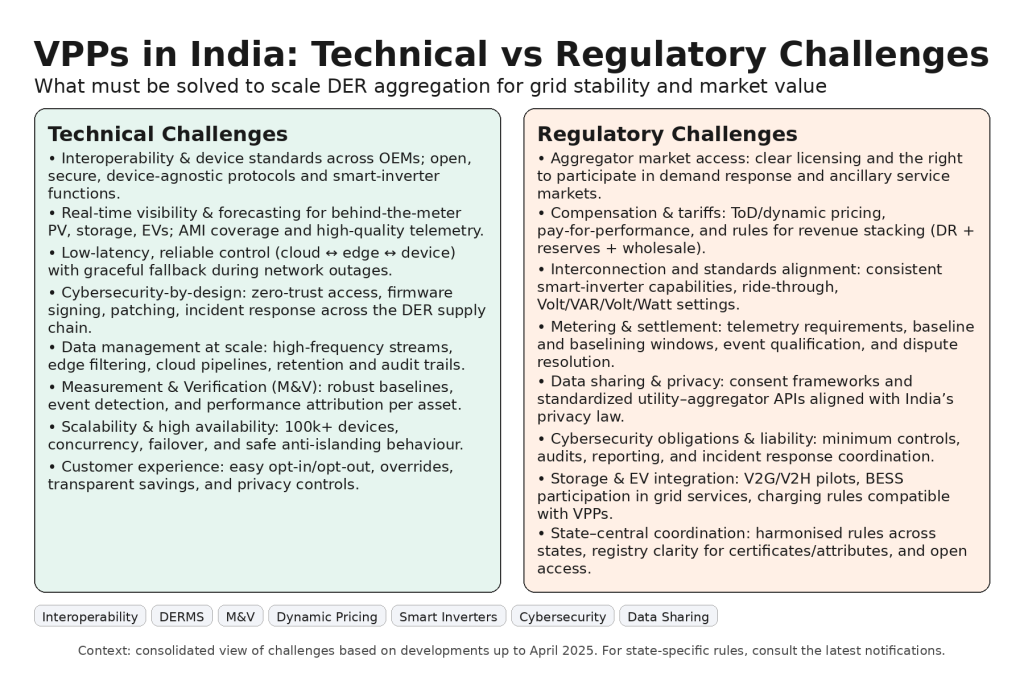
Effective VPP deployment requires addressing both technical and regulatory obstacles
1. Data Collection
Real-time data is gathered from devices such as rooftop solar panels, batteries, EV chargers, and smart appliances. Remote control units - like Tata Power’s “EZ Home” smart plugs - relay information to a central system securely.
2. Optimal Calculation
Using AI and advanced algorithms, the platform forecasts energy production, consumption, and grid demand. It then calculates optimal energy dispatch, factoring in market prices, grid conditions, and device capacities.
3. Automated Control
Commands are automatically sent to devices to ramp up generation, discharge batteries, or adjust consumption. This ensures the grid remains balanced, even as DER output fluctuates.
VPPs as Grid Stabilizers
VPPs provide essential ancillary services:
- Peak Shaving & Demand Response: Reduces load during peak hours, preventing blackouts and reducing reliance on peaker plants.
- Frequency Regulation: VPPs can stabilize grid frequency through:
- Hierarchical Control: Operators send regulation signals to aggregators, which distribute them across devices.
- Autonomous Inverter Control: Smart inverters adjust output automatically in response to frequency changes, enabling thousands of DERs to support grid stability without direct communication.
By providing these services, VPPs unlock the full potential of distributed energy, turning small rooftop systems and batteries into grid-scale assets.
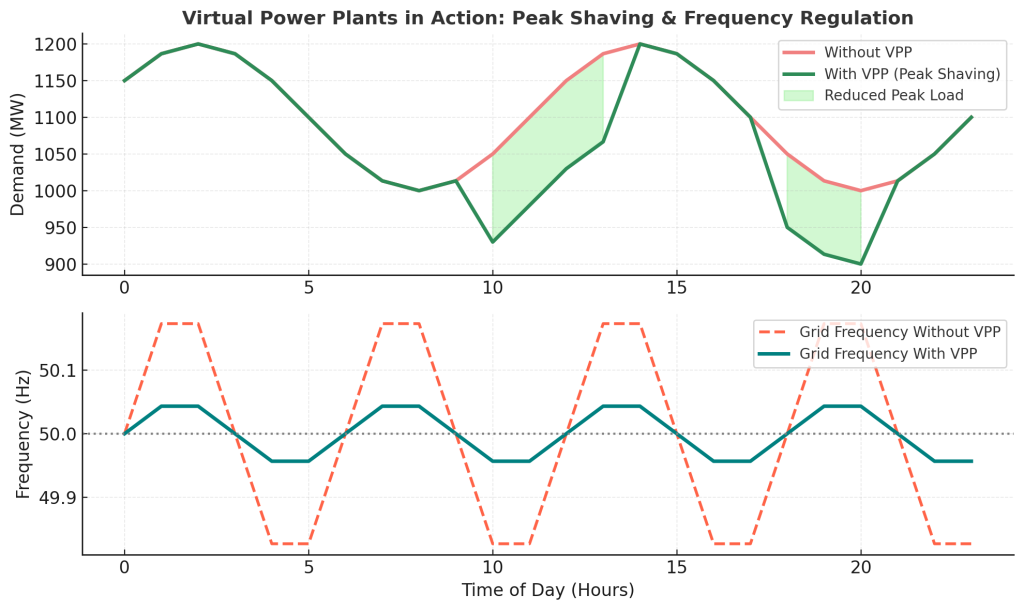
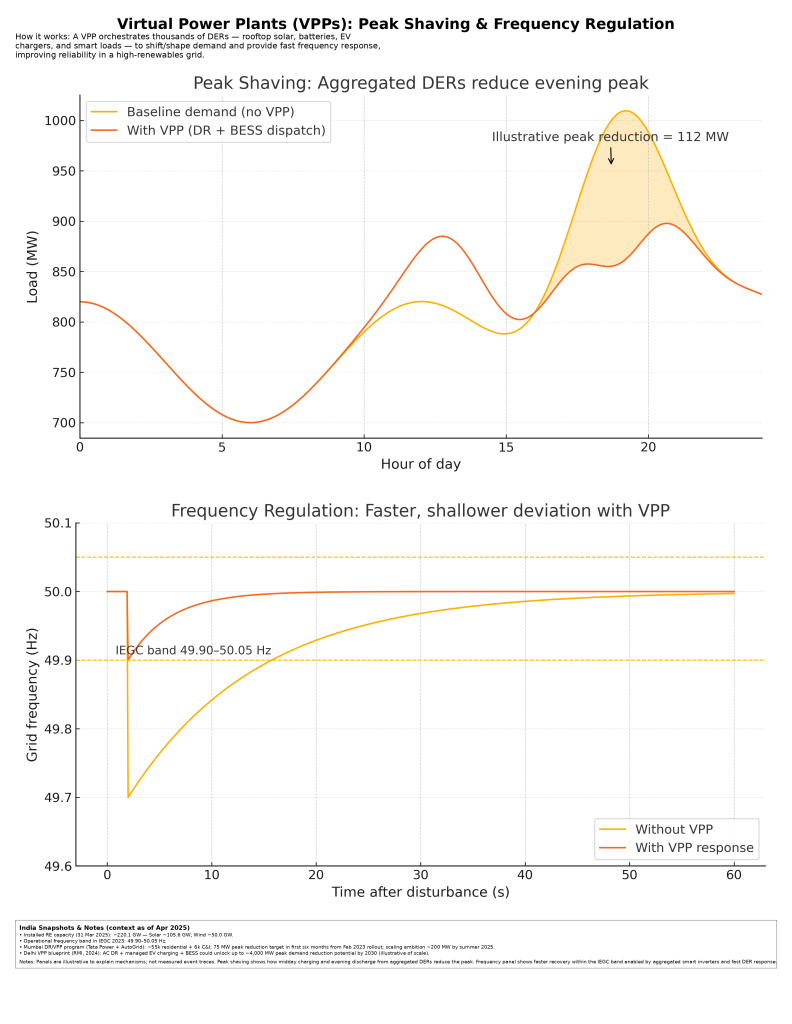
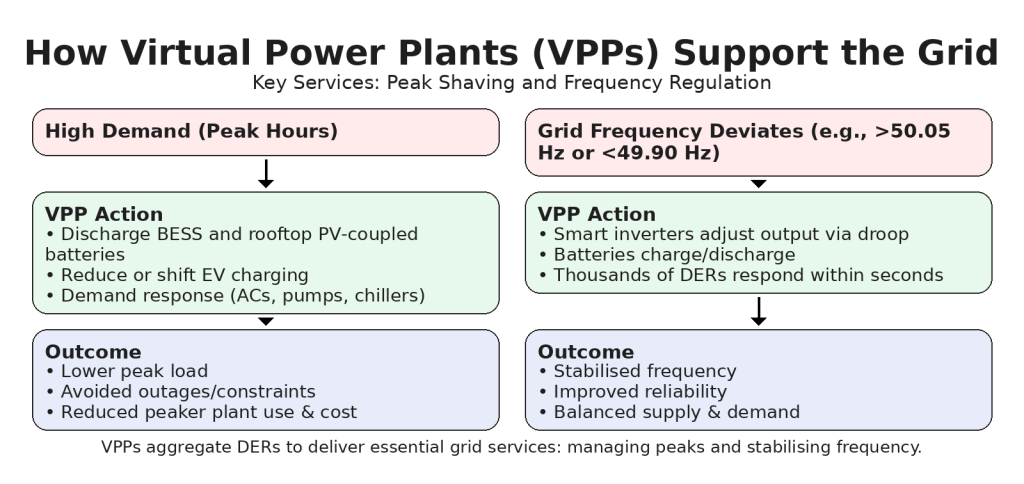
Left column (Peak Shaving): Reduces load during high-demand hours via batteries, EV charging control, and demand response.
Right column (Frequency Regulation): Stabilises grid frequency through smart inverters and DER coordination.
Outcomes: Lower peak loads, fewer blackouts, reduced peaker plant reliance, and more reliable grid frequency.
VPPs provide stability and flexibility to a high-renewables grid.
Indian VPPs in Action
Mumbai Pilot – Tata Power & AutoGrid
- Residential: 55,000 customers
- Commercial/Industrial: 6,000 customers
- Peak reduction: 75 MW in 6 months, scaling to 200 MW
- Mix of behavioral (SMS/email) and automated demand response (smart plugs)
Delhi Blueprint
- Potential peak demand reduction: ~4,000 MW by 2030
- Measures: AC demand response, managed EV charging, BESS deployment
International Parallels
Countries like Brazil, Colombia, and Mexico are also implementing VPPs, showing the global relevance of this approach in renewable-heavy emerging markets.
Actionable Insights for Stakeholders
Regulators & Policymakers
- Incentivize physical renewable and storage capacity, not just financial compliance.
- Mandate storage integration with VPPs.
- Maintain centralized, transparent registries for RECs.
Utilities & Grid Operators
- Invest in Distributed Energy Resource Management Systems (DERMS) for real-time visibility and control.
- Develop tariffs and incentives that reward DER owners for grid services.
- Partner with aggregators to test new business models.
DER Owners & Aggregators
- Conduct cost-benefit analysis including revenue from demand response and ancillary services.
- Ensure devices are VPP-ready for automated, remote control.
- Partner with reputable VPP operators for market access and regulatory compliance.
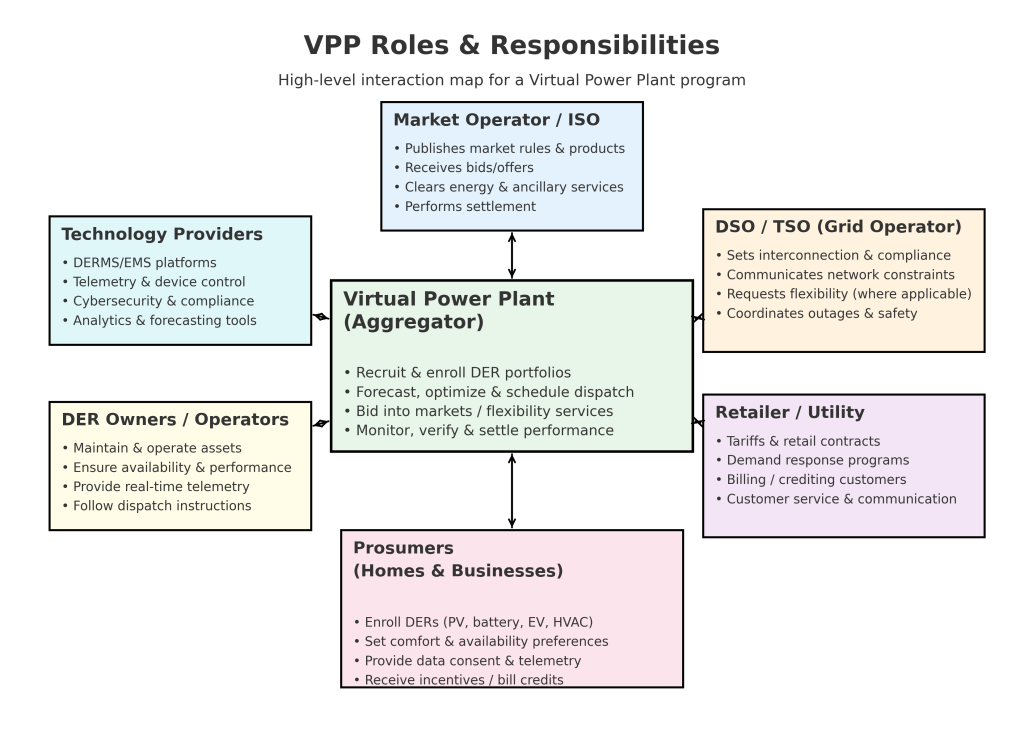
Coordinated action among regulators, utilities, and DER owners is crucial for successful VPP deployment
Looking Ahead: The Future of India’s Grid
The first half of 2025 shows India has transitioned from a supply-constrained system to one abundant in clean but intermittent power. VPPs are essential for managing this new reality:
- AI and predictive analytics will optimize energy dispatch across complex DER networks.
- Electric vehicles and BESS will provide high-value flexible assets.
- Battery recycling and circular economy measures will be critical as storage deployment scales.
The Indian grid of the future will not rely solely on a few massive power plants. Instead, it will be a decentralized network of intelligent assets, coordinated by VPPs to provide reliable, flexible, and sustainable energy.
The future grid will be a network of interconnected DERs orchestrated by Virtual Power Plants
This makes energy efficiency so much clearer. 💡
Love this Neeraj, seeing this focus on environmental impact. 🌍
Thank you for your perspective! Really appreciate your support 🧠
Fantastic insights on emission reduction! Perfect for our sustainability reporting 📉
Fantastic resource for renewable integration! Essential for our net zero strategy 🔋
Appreciate it Gaurav!
Great insights on clean energy transition! ⚡
Glad you found it helpful!
This is exactly what sustainability professionals need Neeraj
Thanks for your kind words! Great to know