
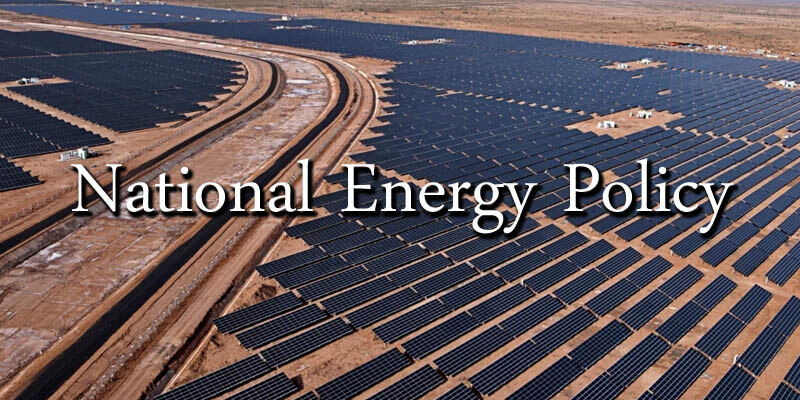

A Centenary of Dreams, A Generation-Defining Mandate
India is charting a bold course toward its 100th year of independence in 2047. This milestone is not just a date; it represents a generational vision to transform India’s energy ecosystem into a resilient, self-reliant, and globally competitive framework. The draft National Energy Policy 2047 provides a roadmap to achieve energy independence, economic growth, and climate leadership simultaneously.
The policy raises a fundamental question: how can India, home to over 1.4 billion people and a rapidly growing economy, fuel its ambitions while leading the global shift toward a net-zero future?
Global energy markets are in flux. Clean energy investments, particularly in solar and wind, are surging, while fossil fuel generation faces a gradual decline. By aligning its strategy with these global trends, India is positioning itself not as a follower but as a forward-looking leader in the emerging global energy economy.
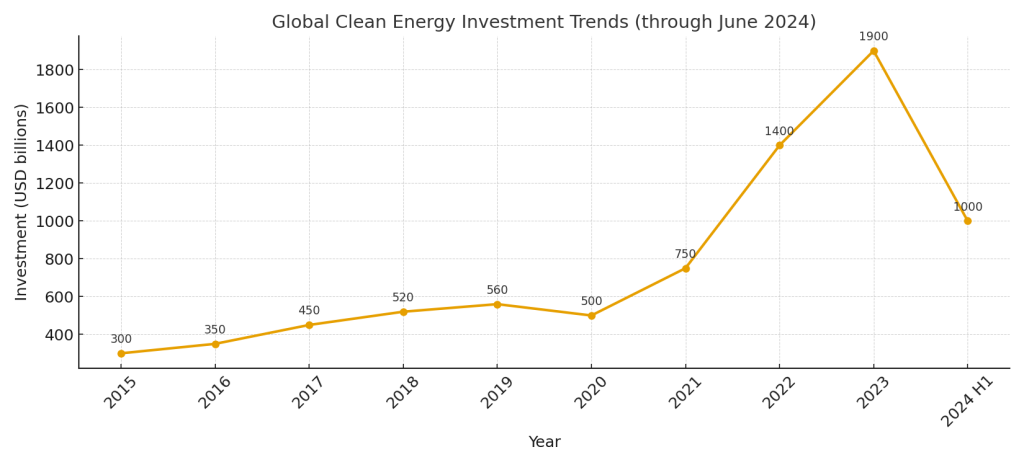
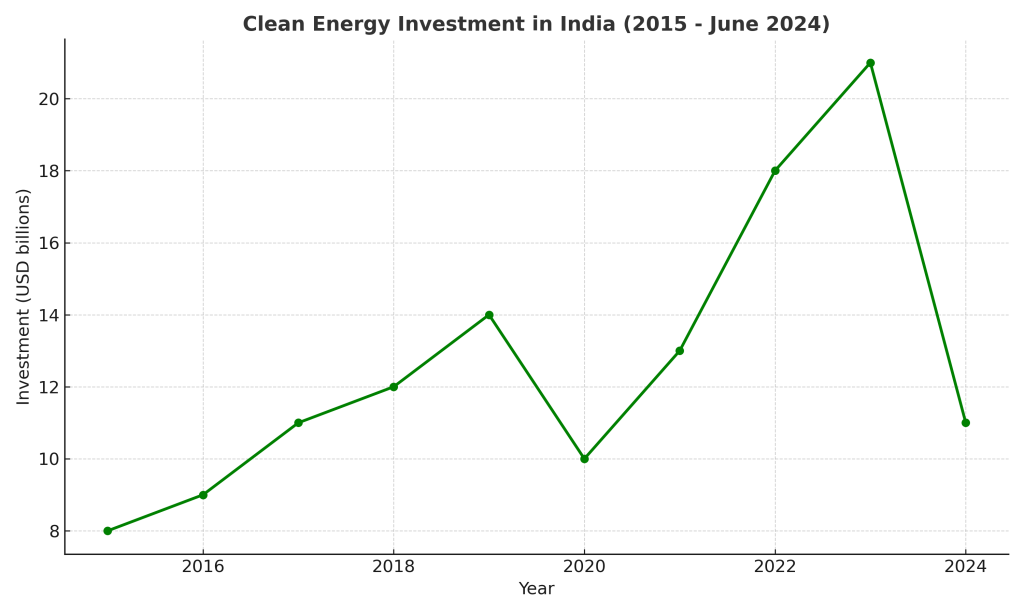
Global clean energy investments are approaching record highs, signaling a shift from fossil fuels to renewables.
Background: The Evolution of India’s Energy Blueprint
The National Energy Policy 2047 builds upon decades of reform, learning, and experimentation. From the landmark Electricity Act of 2003, which opened the sector to multiple buyers and sellers, to ongoing efforts to modernize DISCOMs, India’s energy policy evolution has been both iterative and strategic.
Despite progress, systemic challenges persist. Distribution companies (DISCOMs) remain financially distressed, limiting infrastructure investments and delaying renewable energy deployment. A comprehensive, digitally-enabled framework is now essential.
The policy rests on three interdependent pillars:
- Energy Security: Achieving near-complete independence by 2047 by drastically reducing fossil fuel imports.
- Economic Growth: Meeting a projected fivefold increase in electricity demand while expanding total power capacity to 2,100 GW.
- Climate Leadership: Aligning with India’s net-zero goal by 2070, aiming for 1,200 GW solar, 400+ GW wind, 47 GW battery storage, and 116 GW pumped hydro storage by mid-century.
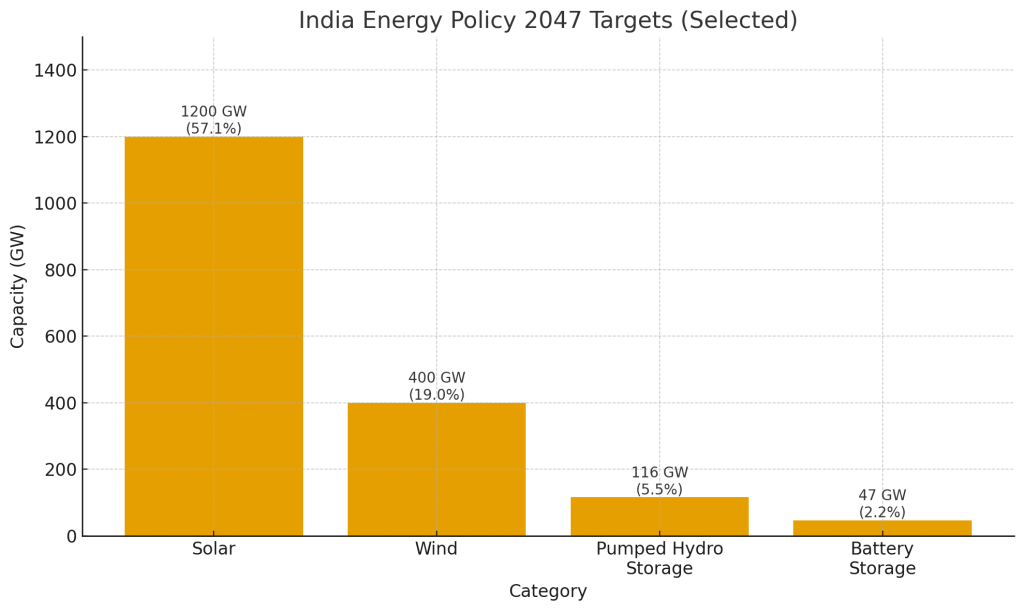
Key targets outlined in the National Energy Policy 2047.
Impacts: Transforming DISCOMs, Industry, and Consumers
DISCOMs: From Weak Link to Growth Engine
DISCOMs have historically been the weakest link in India’s energy value chain. Debt has doubled over the past decade, from INR 3.76 lakh crore in 2015 to INR 7.53 lakh crore in 2024, equivalent to over 2% of GDP. This financial stress, coupled with high Aggregate Technical and Commercial (AT&C) losses, limits investment in infrastructure and renewable energy projects.
The Revamped Distribution Sector Scheme (RDSS) and the India Energy Stack (IES) aim to address these issues. RDSS provides ₹3 lakh crore for infrastructure upgrades, including 250 million smart meters, while IES offers a digital platform for real-time data management, modeled on Aadhaar and UPI.
By standardizing data, enabling simulations, and improving transparency, IES transforms DISCOMs from passive, financially distressed utilities into data-driven grid managers. This is not merely a technological investment - it is a foundational structural reform critical for all other policy objectives.
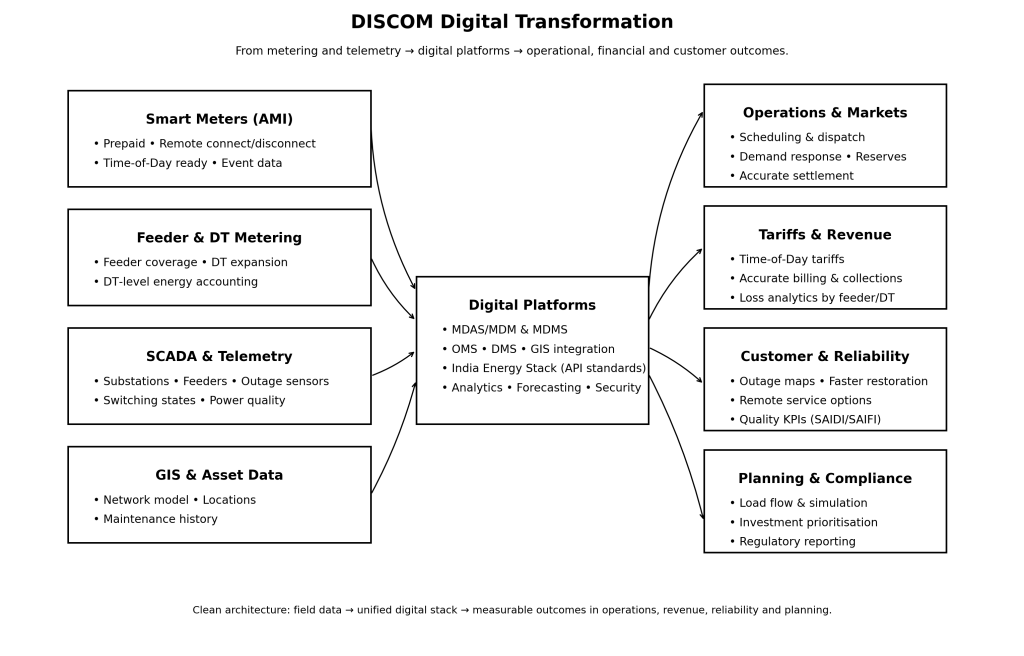
Digital platforms like IES will enable DISCOMs to manage grids efficiently and transparently
Industry: The Green Hydrogen Gambit
Hard-to-abate sectors like steel, cement, and chemicals are central to India’s economic growth and emissions profile. The National Green Hydrogen Mission positions India as a global hub for hydrogen innovation, manufacturing, and deployment.
Investments of over ₹19,744 crore support R&D, pilot projects, and domestic manufacturing. By decarbonizing industry, India mitigates the risks of future carbon tariffs, such as the EU Carbon Border Adjustment Mechanism (CBAM).
Beyond energy security, green hydrogen fosters a new economic sector. Leveraging abundant solar energy, India could create a trillion-dollar industry, producing clean fuels for domestic use and exports, while ensuring long-term economic relevance and energy sovereignty.
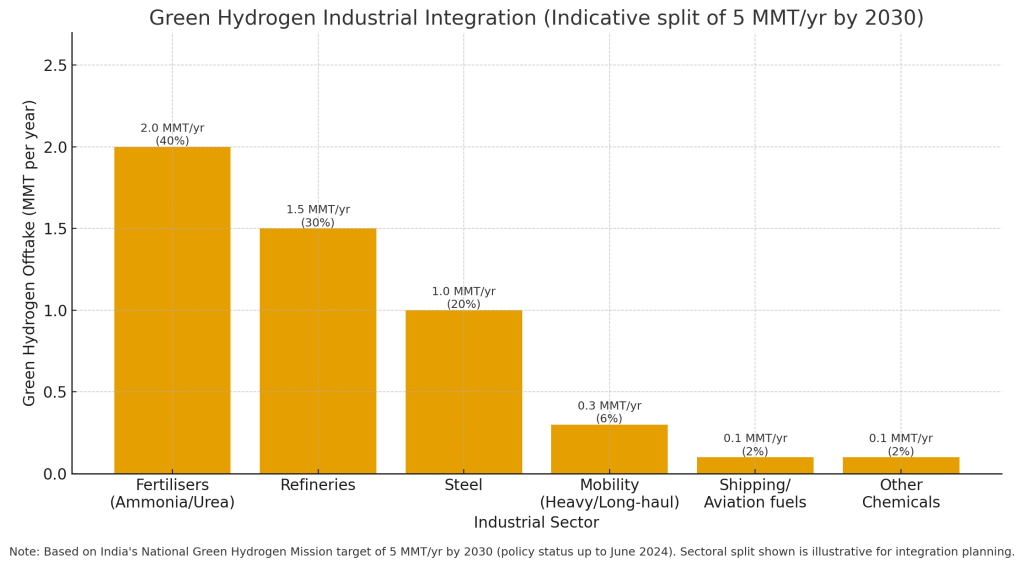
Green hydrogen offers a pathway to decarbonize industrial sectors while building a high-value export industry
Consumers: From Affordability to Empowerment
The policy promises reliable, 24/7 power for all citizens. A nationwide Time-of-Day (ToD) tariff for all consumers (except farmers) will reduce rates during solar hours by 10–20% and increase rates during peak hours.
Smart meters and dynamic tariffs turn consumers into active grid participants. By adjusting consumption patterns, households can flatten peak demand, reduce costs, and support the integration of variable renewable energy.
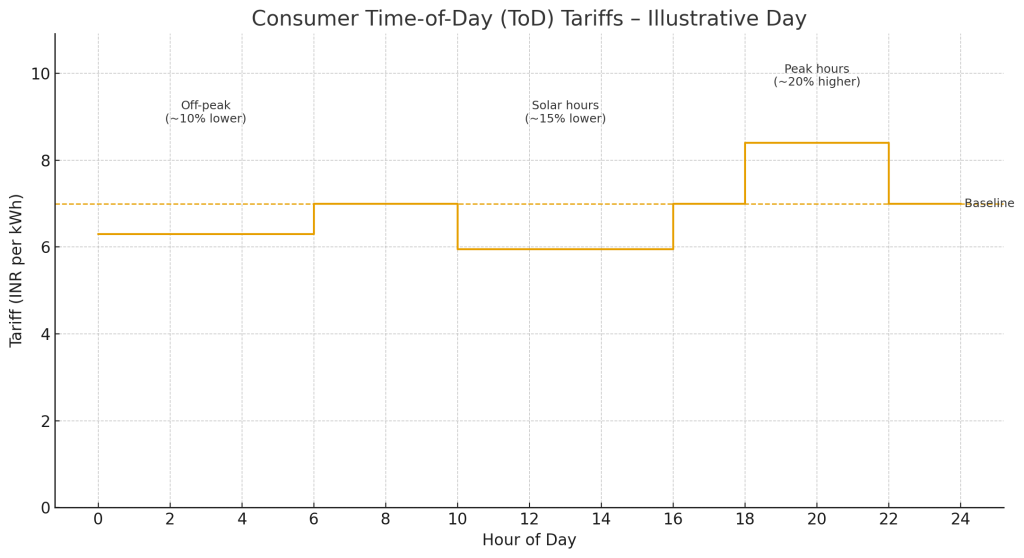
Dynamic tariffs empower consumers to save money while supporting grid stability
Opportunities and Risks
Economic & Geopolitical Dimensions
The energy transition requires $1.5–2 trillion in additional investment through 2047. Benefits include:
- $2.5 trillion in net consumer savings from electric vehicle adoption.
- Significant reduction in fossil fuel imports via green hydrogen and domestic renewables.
However, risks remain. Fossil fuel price volatility and entrenched subsidies could slow adoption of cleaner alternatives. The policy must balance incentives, regulations, and market design to ensure a stable and resilient clean energy transition.
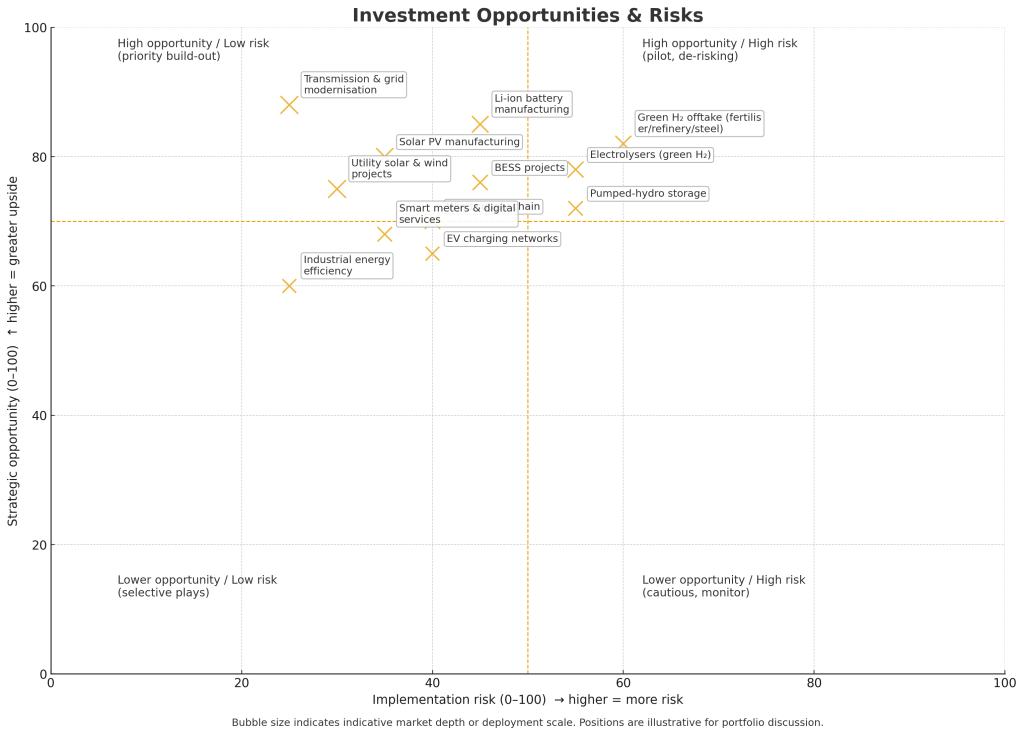
Transitioning to clean energy presents opportunities but requires careful management of market and policy risks
The Social Imperative: Just Transition
Coal remains a major source of employment, with over 1.4 million livelihoods directly and indirectly dependent on it. Renewable energy jobs, though growing, are often temporary and lower-paying.
The policy emphasizes a Just Transition, which includes:
- Reskilling programs for coal sector workers
- Social safety nets and community support
- Local economic opportunities through decentralized energy solutions, like rooftop solar
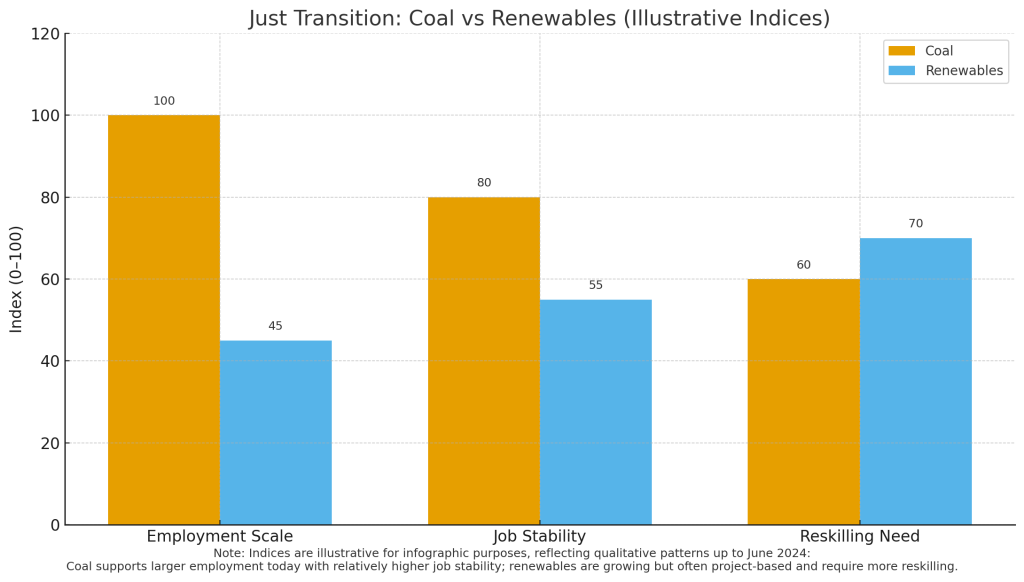
Balancing coal and renewable employment is critical for a socially sustainable energy transition
Technological Hurdles and Grid Reliability
Integrating high shares of variable renewables requires flexible, resilient grid operations. Planned expansion includes:
- 116 GW pumped hydro storage
- 47 GW battery storage
- Flexible thermal and nuclear operations
This “all-of-the-above approach” ensures 24/7 power reliability while supporting decarbonization. The policy demonstrates that old and new technologies must coexist strategically for a smooth transition.
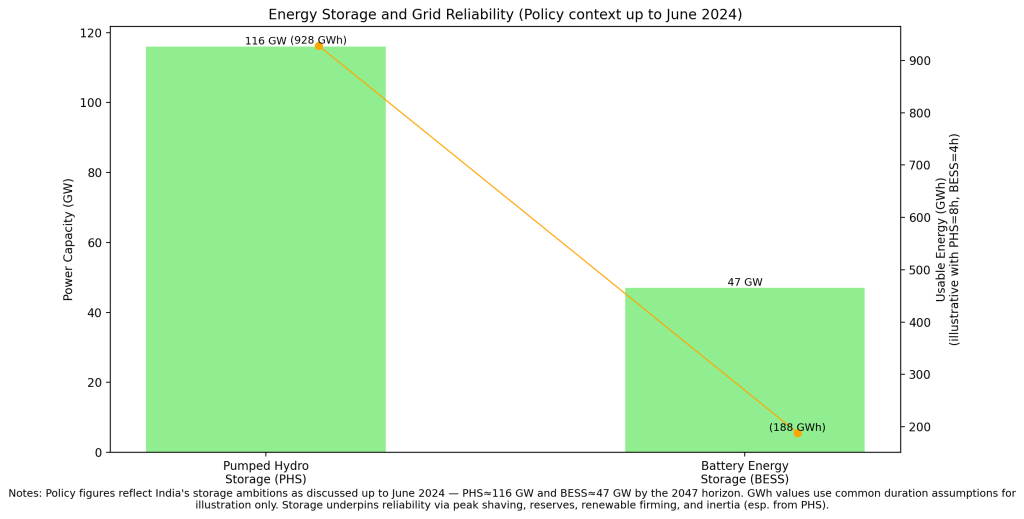
Advanced energy storage ensures a reliable and flexible grid with high renewable penetration
Strategic Insights for Leaders
For Business Leaders
- Leverage the India Energy Stack early to gain competitive advantages.
- Invest across the energy ecosystem, from manufacturing to R&D.
- Participate in reskilling and community initiatives to support a just transition.
For Policy Makers
- Focus on DISCOM financial health beyond mere funding.
- Provide clear, long-term price signals for subsidies and carbon pricing.
- Support a balanced mix of technologies for grid stability and decarbonization.
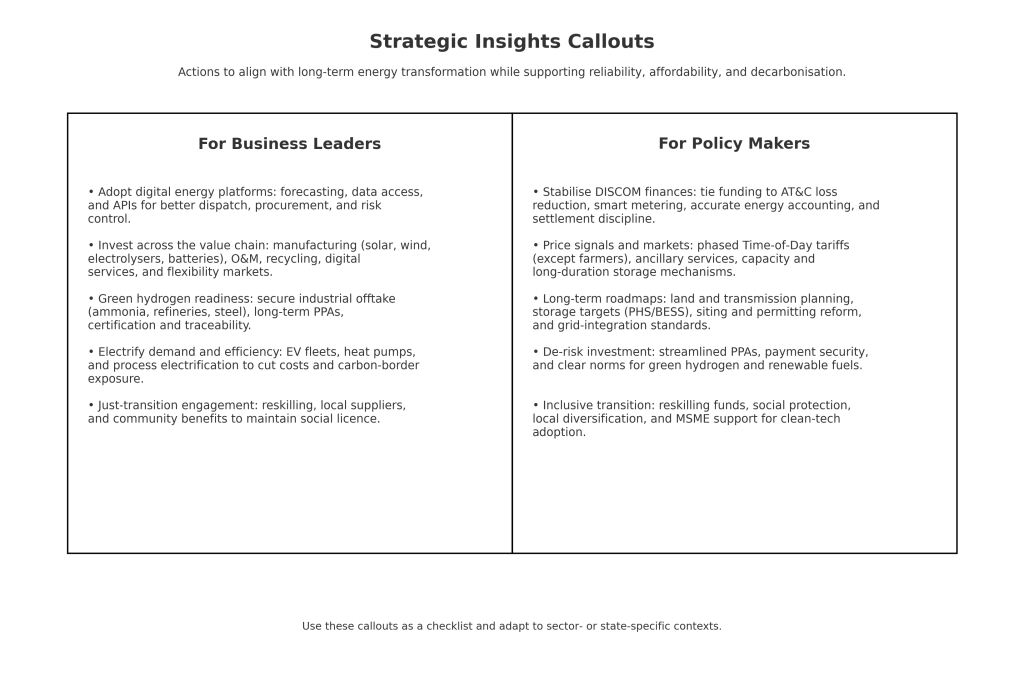
Strategic actions for leaders to align with the National Energy Policy 2047
International Context and Strategic Positioning
India’s policy also considers global energy geopolitics. With energy markets increasingly fragmented, supply chain volatility and geopolitical tensions are likely to influence domestic policy. By investing in green hydrogen, renewables, and storage, India reduces exposure to global shocks while positioning itself as a reliable clean energy partner in international markets.
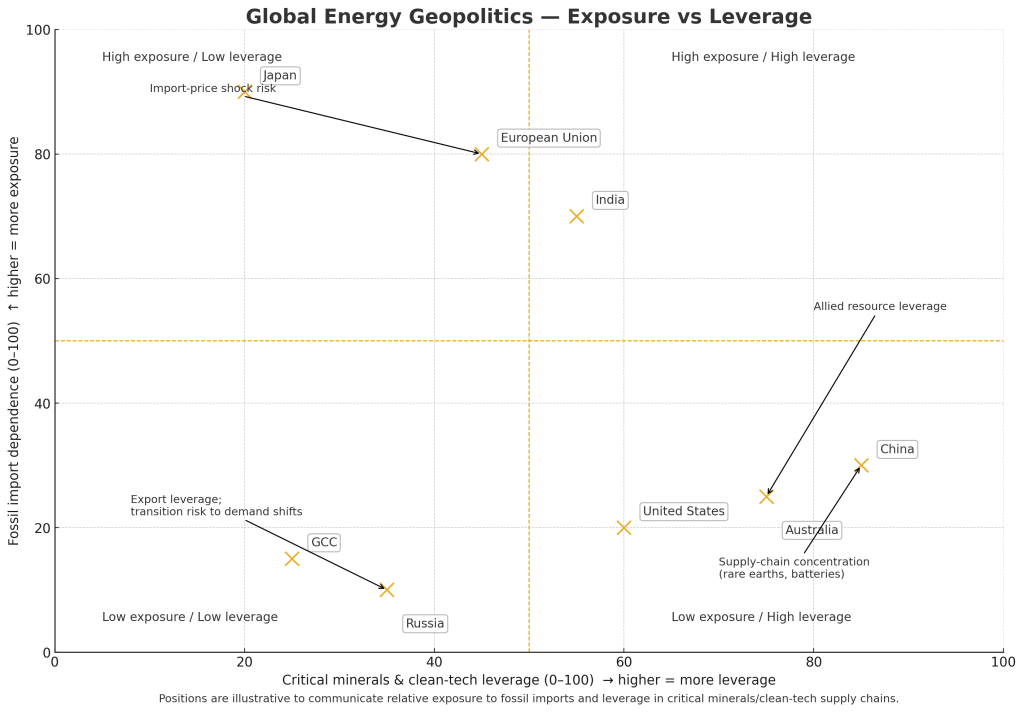
India’s energy strategy reduces dependence on volatile international fossil fuel markets
Consumer-Centric Innovation and Smart Cities
The policy encourages urban energy innovation through smart cities initiatives. These include:
- Distributed solar and microgrids
- Dynamic energy management using AI and IoT
- Incentives for electric mobility and building efficiency
By embedding energy intelligence into daily llife, India can empower citizens, reduce peak loads, and improve resilience.
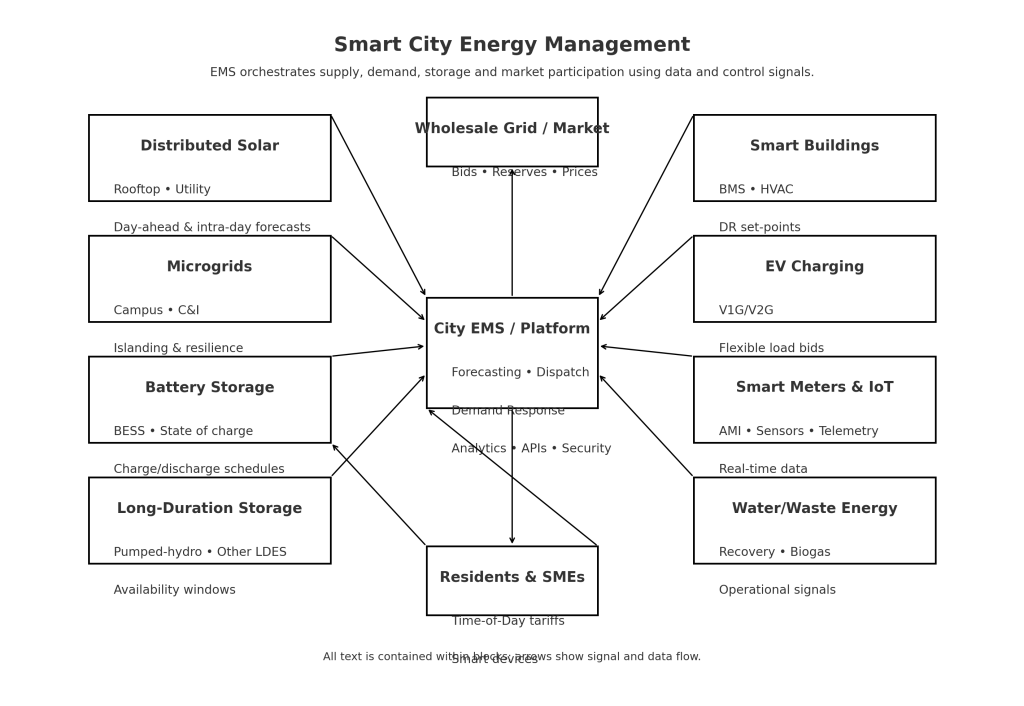
Smart cities leverage technology to optimize energy use and reduce costs.
Conclusion: A Pragmatic, Actionable Path
The National Energy Policy 2047 is not just a document; it is a strategic framework for India’s energy transformation. Its success depends on:
- Effective implementation of digital infrastructure
- Strategic use of all energy technologies
- Balancing economic, social, and environmental objectives
The policy represents a generational opportunity. Leaders in government, industry, and civil society must collaborate, embrace complexity, and act decisively to build a resilient, equitable, and self-reliant energy future.
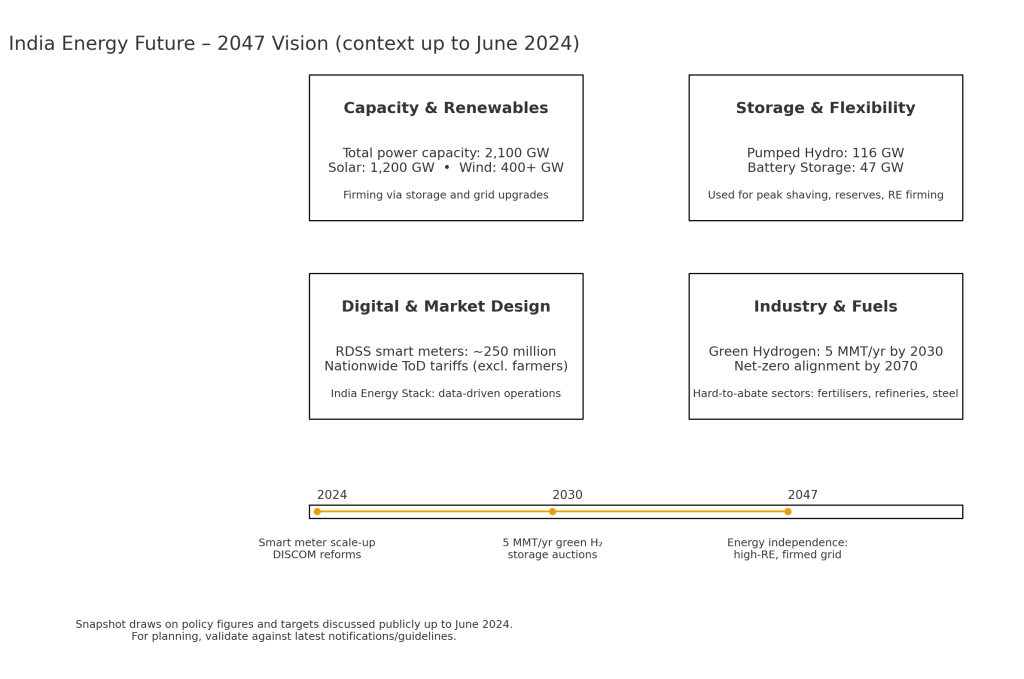
A resilient, self-reliant energy ecosystem is central to India’s 2047 vision
Great work on the climate data breakdown Neeraj!
Great perspective on sustainable energy! Exactly what our ESG team needs 🌞
Thank you for the feedback! Really appreciate your insight 📌
Great insights on energy data management
Extremely appreciated Amit!
Thanks Neeraj for the clear renewable energy data. 🔋
Thanks Neeraj for the clear decarbonization pathways
Love this Neeraj, seeing this focus on climate solutions. ✨
This is perfect for ESG performance tracking. 📊
Thank you for commenting! Really appreciate your support
Appreciate the focus on decarbonization strategies
Fantastic breakdown of energy efficiency! Critical for our emissions tracking 💡
Thanks Swati!
Excellent breakdown of renewable deployment! This aligns with our decarbonization plans ⚡
Really appreciate that Siddharth! 🌅
Fantastic resource for climate initiatives! Will share this with our sustainability team
Thanks Amit!
This is crucial for our sustainability strategy
Appreciate it Kavya!
This helps quantify our carbon impact
Great resource for understanding scope emissions. 🌱
Appreciate it Sonali!